
"Brazilian coffee farming"
2000 article(s) found

Brazilian Coffee Plantation Area Grinding Scale Processing Flavor Description Variety Introduction
Brazil has many large farms, operating endless coffee gardens, they use machine harvesting, and the use of machine drying, automated efficiency is very high, as if coffee as a general agricultural material, completely abandoned flavor and disregard. As a result, many specialty coffee companies simply do not sell Brazilian beans, lest they demean themselves
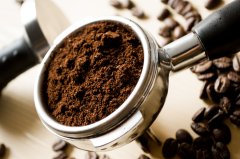
Flavor characteristics, producing areas and brewing parameters of single bean of Brazilian coffee
For the exchange of professional baristas, please pay attention to the coffee workshop (Wechat official account cafe_style) Brazilian coffee single bean flavor characteristics, production areas and brewing parameters in the elevation of 8501200m flat large coffee plantation cultivation of coffee, taste slightly smooth mostly neutral coffee. In contrast, the coffee produced in the mountains in Brazil is slightly higher above sea level and is affected by the sunshine on the slope of the hillside.

Brief introduction of the origin of grinding scale for flavor description of Brazilian Minas coffee beans
Brief introduction to the origin of grinding scale for flavor description of Brazilian Minas coffee beans Brazil is the world's largest coffee producer Brazil accounts for about 1/3 of the world's annual coffee production (by far the world's largest coffee producer and exporter). In 2015, Brazil produced a total of 36.89 million bags of coffee (each bag of 60kg). How many cups of coffee can you imagine? The coffee of the country

General knowledge of Fine Coffee beans Diversified ways of handling Brazilian Coffee
Brazilian coffee farms choose sun, half-sun or water washing treatments according to the dry and humidity conditions of the climate to show the best regional flavor. Such a pluralistic approach is rare in the world. Before 1999 ⊙, rough tanning was almost always used in Brazil. This is the main culprit for Brazilian beans to be easily infected with the smell of dirt and rotten wood, because coffee fruits are exposed to the sun for two to three weeks.

Brazilian Coffee Donna Coffee Manor.
Professional coffee knowledge exchange more coffee bean information Please follow the coffee workshop (Wechat official account cafe_style) Donna Manor (Fazenda Dona Nenm) the owner is Eduardo Pinheiro Campos, his family has grown coffee in Sul de Minas for a long time, after inheriting his father's farmland, Eduardo named the farm after his mother's name Dona

Introduction to the characteristics of taste treatment method for flavor description in Brazilian Minas coffee producing area
Introduction to the characteristics of taste treatment method for flavor description in Brazilian Minas coffee producing area. Brazil is the world's largest coffee producer. Brazil accounts for about 1/3 of the world's annual coffee production (by far the world's largest coffee producer and exporter). In 2015, Brazil produced a total of 36.89 million bags of coffee (each bag of 60kg). How many cups of coffee can you imagine? The country's

The Diamond Plateau is known as the new wave of Brazilian boutique coffee.
Bahia province is located in the north of Minas province, located in about 10 degrees south latitude, with a tropical climate. Coffee has only been cultivated in the past decade, and many farms have high-tech sprinkler systems. The production capacity of 60 bags per hectare (about 3600 kg) is much higher than the average production capacity of 19 bags (1140 kg) per hectare in Brazil. Brazilian officials point out that Bahia has a 103-hectare farm, which can grow per hectare.
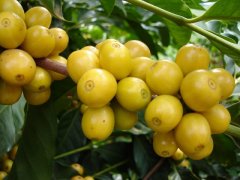
Introduction to the Flavor of Yellow bourbon Coffee produced by Brazilian Mantiqueira Mountains small Farmers
For professional baristas, please follow the coffee workshop (Wechat official account cafe_style) Mantiqueira Mountains Huangbourne-the Minas Gerais state side of Brazil's Mantiqueira Mountains (Serra da Mantiqueira) is located in the Mantiqueira de Minas area. With a century of experience in producing premium coffee, Mantiqueira de M

Very soft Brazilian South Minas fine coffee beans origin development history and culture brief introduction
Coffee was first introduced to Brazil in the early 18th century. In 1727, the Brazilian government sent a handsome army officer to secretly bring coffee seeds back to Brazil from French Guiana on the grounds of mediating border disputes. It is said that the wife of the governor of French Guiana at that time was deeply fascinated by this officer, so she secretly sent coffee seeds to him in a bouquet at a farewell dinner.

Minas Gerais Coffee Manor, Brazil: Brazilian hillside manor
Professional coffee knowledge exchange more coffee bean information please follow the coffee workshop (Wechat official account cafe_style) Minas Gerais (Minas Gerais) is located in the southeastern corner of South America in the heart of the Brazilian plateau, producing quality Arabica coffee. Old bourbon coffee is grown on some estates in the Brazilian state of Minas Greais. These estates.

Brazilian boutique coffee bean manor the planting environment and flavor of Huangbourne in Minas Rishina region
Professional coffee knowledge exchange more coffee bean information please follow the coffee workshop (Wechat official account cafe_style) Brazilian boutique coffee bean manor beans Minas Rishina production area Huangbourne planting environment and taste characteristics? Brazil CHACAL ESTATE Yellow Bourbon Farm: Aguas Claras Farm varieties: Huangbourne Yellow Bourbon, etc.

Brazilian coffee planting history will be less flavor to describe the characteristics of the producing area.
For the exchange of professional baristas, please follow the coffee workshop (Wechat official account cafe_style) Brazil is the largest country in Latin America and the largest coffee producer in the world in the past 150 years. 1/3 of the world's coffee comes from Brazil, followed by Vietnam, Colombia and Indonesia. The annual output of Minas Gerais province in the southeast alone (20 million bags) has surpassed that of neighboring Colombia.

Introduction of Brazilian Coffee single Bean Flavor description Variety planting Development History of producing area treatment Manor
For the exchange of professional baristas, please pay attention to the coffee workshop (Wechat official account cafe_style). Brazil's coffee industry two large bags of coffee beans on coffee plantations in the state of Minas Gerais, Brazil. Taken in Sao Paulo, Brazil's coffee industry accounts for about 1/3 of the world's total output and is currently the world's largest coffee producer. Coffee cultivation in Brazil

Description of coffee bean flavor of Rambali Manor in South Minas, Brazil
Professional coffee knowledge exchange more coffee bean information please follow the coffee workshop (Wechat official account cafe_style) South Minas, Brazil | Rambali Manor | Sun bourbon, Kaduai, Akaia Acaia flavor? Brazil is currently the world's largest coffee producer, with a total output of 48.095 billion bags, surpassing the global output of 1% of the world's total. Brazilian Fine Coffee Association (BSCA

Introduction to Brazilian coffee with low altitude, soft texture and no obvious sour taste
There are two types of coffee farms in Kenya. one is a large planting farm that covers an area of more than five acres, but the average elevation is low. In the case of Kenyan coffee, the coffee beans of the large farms are of medium quality. The best Kenya beans are produced in small farms, most of which are located in the foothills or volcanic slopes above 5,000 to 6,000 feet. Each small farmer has a capacity of only 20 to 70 bags per season and is unable to invest.
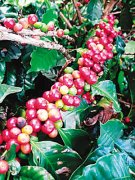
Brazil Hirado Prairie Brazilian Coffee famous Alimentos Manor Sun style
The Brazilian Hirado Prairie is one of the famous coffee producing places in Brazil, with an area of 120W square kilometers, accounting for 22% of the national area of Brazil. Alimentos Farm, founded in 1974, is located in Brazil's Hirado prairie at an altitude of about 900 to 1000m. It has undulating foothills, rich landforms, obvious dry and wet seasons, large temperature difference between day and night, and obvious microclimate, so it is suitable for planting Ca.
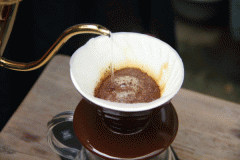
How to highlight the Flavor of Brazilian Coffee in Yellow Bourbon / Yellow Bourbon Cooking skills in Hilado, Brazil
The exchange of professional baristas please follow the coffee workshop (Wechat official account cafe_style) semi-washed coffee is mainly produced in the Hirado area! Its characteristic is that the coffee beans are not impregnated by the fermentation tank. The acidity, sweetness, taste and flavor of this coffee are quite good. According to coffee experts, there are fewer defective beans in semi-washed coffee beans than in the sun.

What are the characteristics of Brazilian Queen's Manor Coffee beans? how much is the Queen's Manor Yellow bourbon Coffee?
Professional barista exchanges please follow the coffee workshop (Wechat official account cafe_style) Brazil Queen Manor Coffee beans what are the characteristics of Queen's Manor Yellow bourbon how much coffee? * * in the history of SUL DE MINAS This area is full of coffee in Brazil.
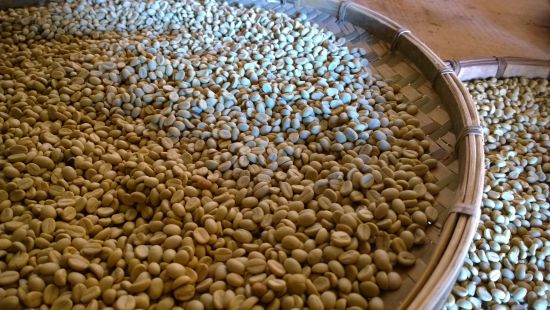
Brazilian coffee beans fresh ground bagged coffee powder imported Brazilian flavor bourbon Brazilian flavor
Country: Brazil Grade: SC14/SC16 production area: South Minas Baking degree: medium Baking treatment: peeling and tanning varieties: bourbon, Kaduai altitude: 1000 '1200 m Flavor: fried melon seeds, mellow, dark chocolate, Huigan aftertaste. Brazil's terrain is flat, coffee farms are mostly about 600-1000 meters above sea level, and the landform is flat and monotonous, lacking miniature.

Coffee common sense Diamond Plateau is known as the new wave of Brazilian boutique coffee
Bahia province is located in the north of Minas province, located in about 10 degrees south latitude, with a tropical climate. Coffee has only been cultivated in the past decade, and many farms have high-tech sprinkler systems. The production capacity of 60 bags per hectare (about 3600 kg) is much higher than the average production capacity of 19 bags (1140 kg) per hectare in Brazil. Brazilian officials point out that Bahia has a 103-hectare farm, which can grow per hectare.